
Penpont Heritage

 Penpont and the  Joseph Thomson Project

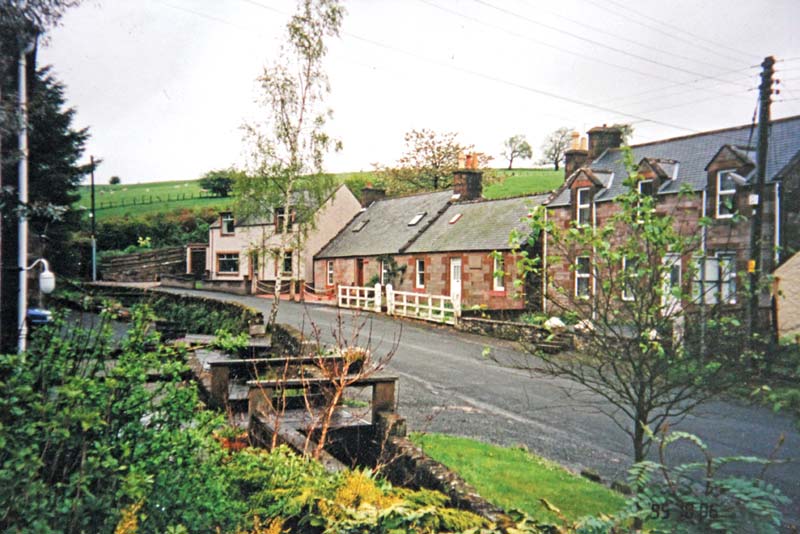
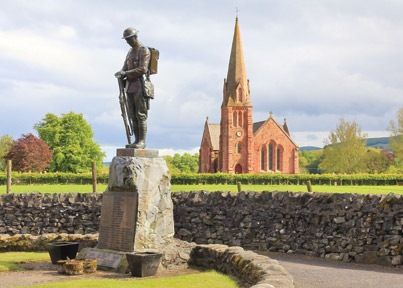
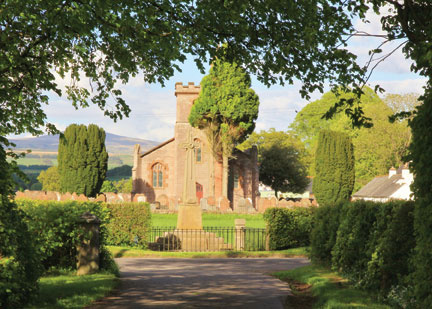
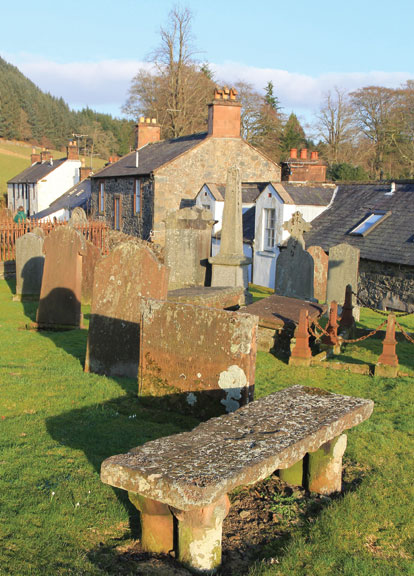
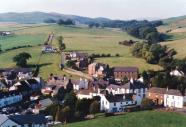
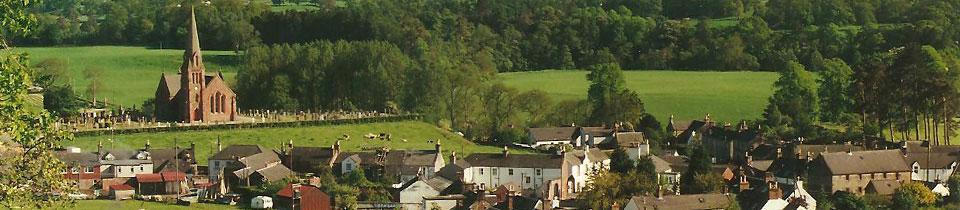
Penpont is a small but thriving village in the beautiful area of mid-Nithsdale in Dumfries and Galloway, in South West Scotland. Unusually for a place of its size, it still has its church and primary school, a post office, a general store, a tea room, a service garage, a bus service and an active Community Council. 

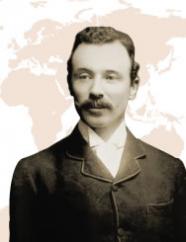
It also has a rich and generally well-recorded history, which includes its main claim to fame as the birthplace of the remarkable African explorer, Joseph Thomson. 


JOSEPH THOMSON LOCAL HERITAGE CENTRE

 PROPOSED ACTIVITIES

Introduction

We describe below the objectives for the Joseph Thomson Local Heritage Centre at Sundial Cottage, Penpont and a summary of the proposed activities that it will offer the public.  These are based on an Activities and Resources plan which has been drafted by members of the Joseph Thomson Project Steering Group as part of the restoration project for the cottage.  It is available by e-mail on request.  


Background

The development of the Joseph Thomson Local Heritage Centre is being undertaken by the Joseph Thomson Project Steering Group with funding from Dumfries & Galloway Council, the Scottish Government / LEADER Programme and private donations.

The Group was established in 1998 with the aim of promoting the education of local residents in their local heritage and in particular to acquire by lease and undertake the renovation of the birthplace of Joseph Thomson, the African explorer, as a centre for the delivery of this aim.


Sundial Cottage

Sundial Cottage is a sandstone cottage dating from around 1830-40.  William and Agnes Thomson moved into it in 1856, having purchased the property for the sum of £17. They already had four sons but it was in this cottage that their last son, Joseph, was born in 1858. Joseph went on to become one of the principal Victorian explorers of the African continent.

It was a simple, ‘2-up / 2-down’ cottage to which William, a stonemason, made the significant additions of a cantilevered stone staircase inside and the armoury for the Penpont Volunteer Rifle Force above the yard outside (see images). The cottage is built into the bank of the hill behind, divided from it only by a narrow, sandstone flagged yard, adjoining a washroom, with a water pump and an open brazier for heating water.

The Thomsons sold the cottage in 1868 and moved to Gatelawbridge, after which it was let to a succession of tenants, the last of which was Mrs Carson who lived there from 1927 until her death in 1996.  Mrs Carson’s tenancy was significant for the relatively few changes that were made to the cottage in her time - notably an inside WC and kitchen sink – and the lack of occupants since then means that the cottage has the feel of a tiny ‘time capsule’, complete with box bedrooms, the outside privy and pigsty.

The cottage is now ‘B’ listed and became known as Sundial Cottage during the 1950s.


Objectives

It is proposed that the cottage, once converted, will be a multi-disciplinary centre, offering a number of activities based on the local heritage theme.

The principal objectives for the Centre are to:

·         present the house itself, highlighting its history and original features

·         tell the story of Joseph Thomson's life and legacy

·         relate other aspects of local heritage for the benefit oresidents and visitors

·         facilitate family history research

·         offer an educational resource to local schools

·         provide a venue for local heritage-themed talks exhibitions and events

·         attract visitors to and inform them about local attractions

·         provide a community IT / training / meeting facility

·         create opportunities for volunteering, skills development and employment

·         support existing businesses


Principles, Activities and Themes

The broad principles for the delivery of each of these objectives, the main activities involved and their related themes are part of the plan available by email on request.

Resources

A document which lists the physical and volunteer resources required by the centre for the activities identified above is available by email on request. The financial implications will be assessed as part of the Business Plan for the centre.

Joseph Thomson Project Steering Group

October 2012